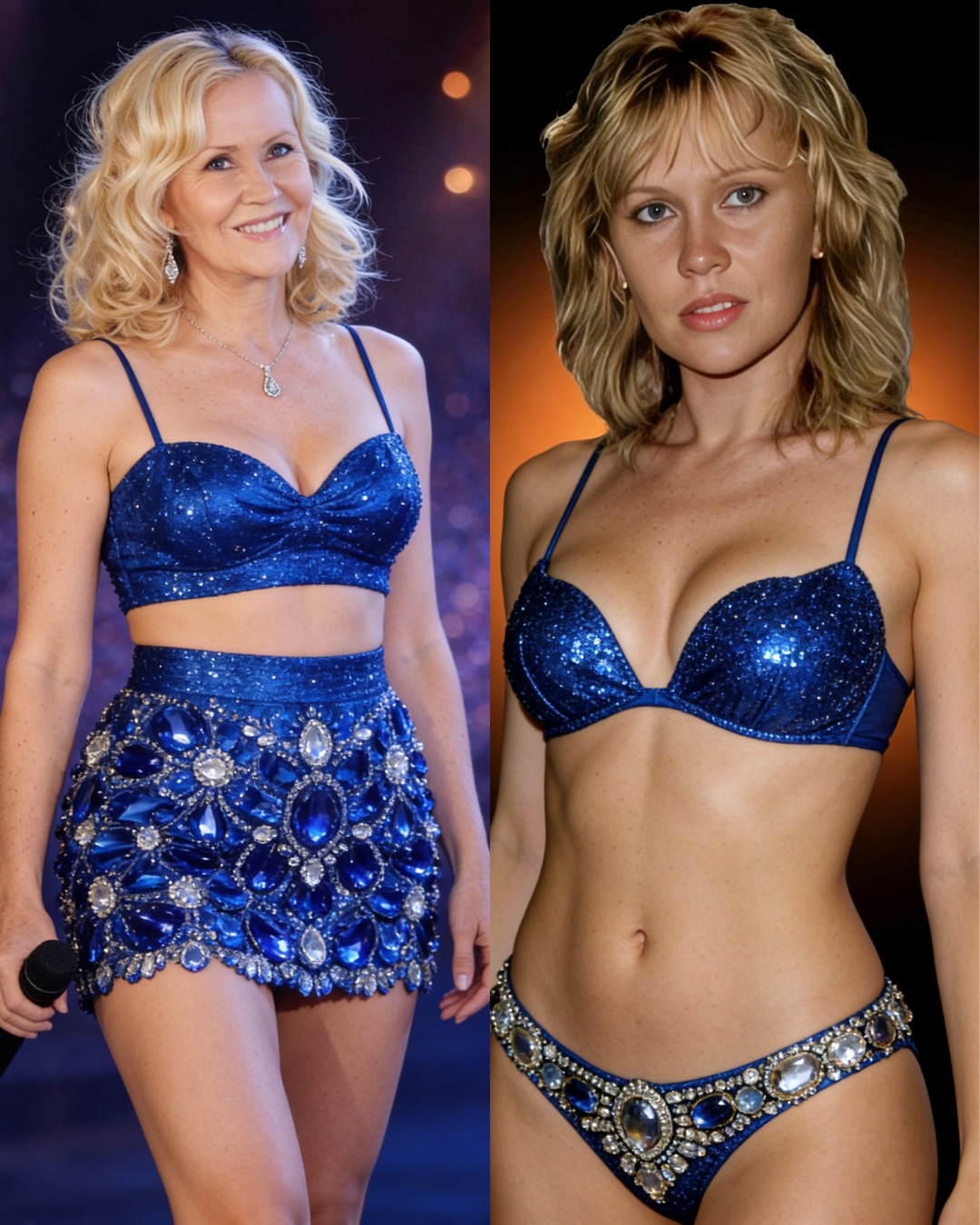
The Quiet Courage of ABBA’s Emotional Anchor: How Agnetha Fältskog Defined Her Own Spotlight

People talk about ABBA like it was this perfectly balanced machine, four pieces clicking together, and sure — but spend some real time with the music and you start noticing just how much of its emotional weight rested on Agnetha Fältskog’s shoulders. There’s a particular kind of ache she brought to a lyric that nobody else in that group, or honestly in that era, could quite replicate — something that sat right between longing and acceptance, never fully one or the other. What’s easy to forget is that she arrived at that global stage already a seasoned artist; her Swedish solo career had given her years of experience writing, performing, and figuring out exactly what kind of singer she wanted to be before the world ever got the chance to weigh in. That self-knowledge showed. When ABBA songs called for something tender, she didn’t reach for it — it was simply already there. And then, at a moment when most artists would’ve held on with both hands, she let it all go — stepped back from touring, from the spotlight, from the machinery of fame — and built a quieter life that clearly meant more to her than any arena ever could. That choice took a different kind of courage than performing did. Her eventual return, both through Voyage and her own solo work in later years, never carried that desperate quality you sometimes see when artists come back — it felt more like someone deciding to share something again simply because they felt ready. That’s a rare thing, and it says everything about who she actually is beneath the music.
